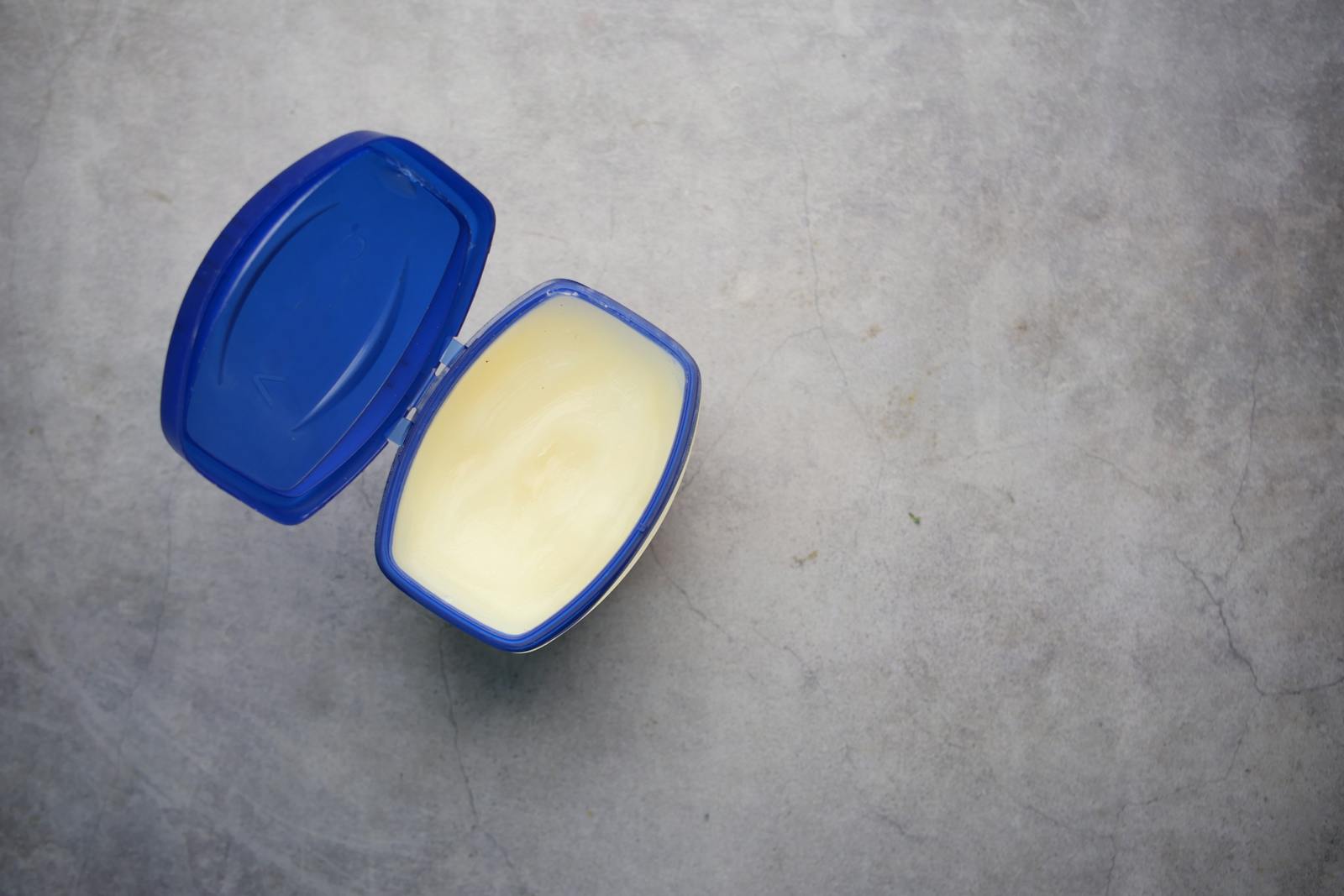
slugging
Slugging: The Petrolatum Trend, Decoded
Slugging is the simplest barrier-repair routine that has gone viral in the last three years. Here's the chemistry, who it works for, and the misconceptions about petrolatum.
Slugging, the routine of applying a thin layer of petrolatum (or a similar occlusive) as the final step of an evening skincare routine, went from a niche K-beauty practice to a global trend in about 18 months, with somewhere around two billion TikTok views. The chemistry is simple. The misconceptions about petrolatum that float around the same content are not. This is the practical version.
What slugging actually is
The slugging routine is straightforward:
- Complete your evening skincare routine as usual
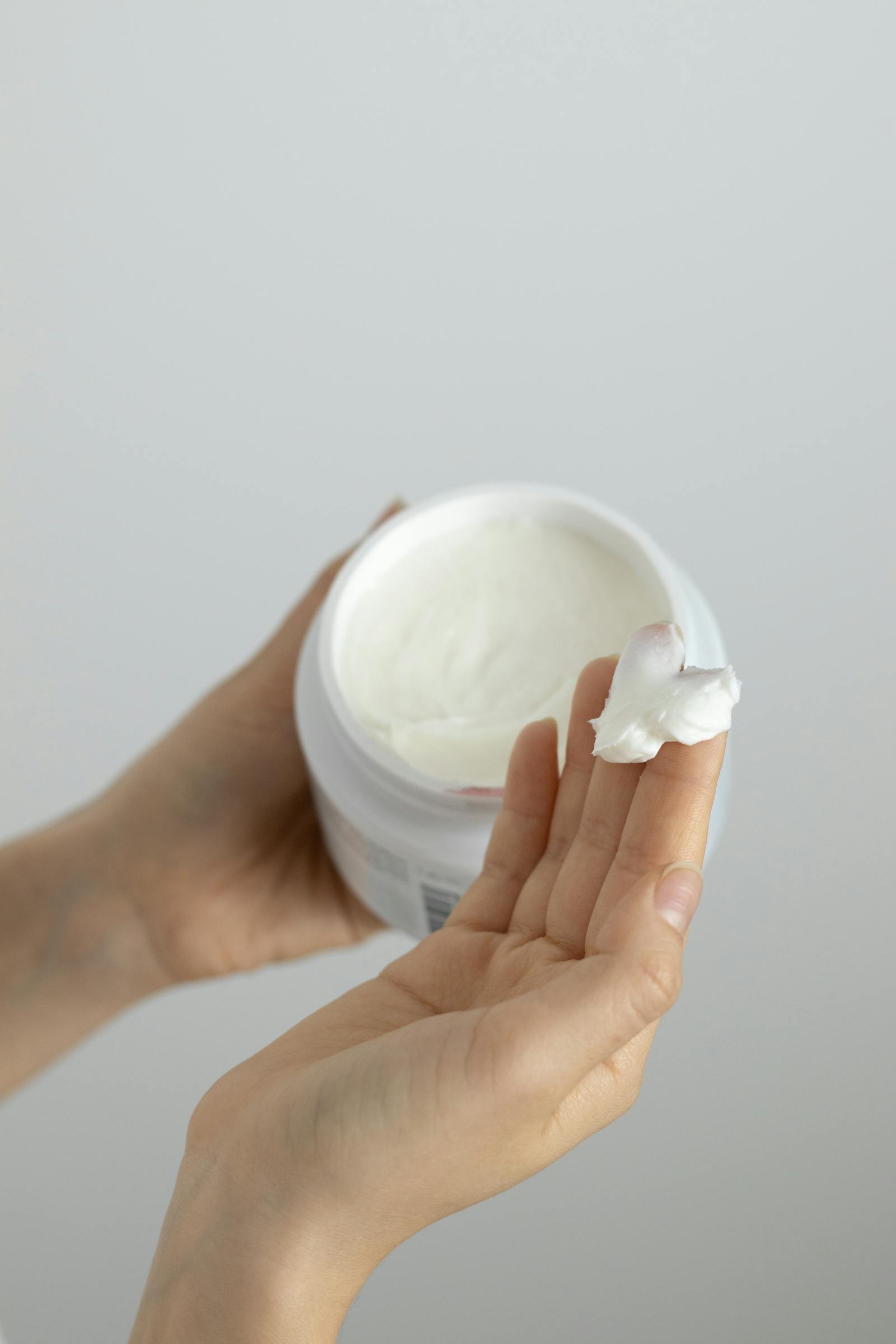
- After your moisturiser, apply a thin layer of petrolatum (Vaseline, Aquaphor, or a similar occlusive product) across the face
- Sleep in it
- Cleanse normally in the morning
The premise: the occlusive layer prevents overnight transepidermal water loss (TEWL), trapping the active ingredients applied underneath and giving compromised skin a near-zero-evaporation environment for repair.
The name “slugging” came from the visual: the slight sheen of petrolatum looks like a slug trail. The practice itself predates the name by decades; dermatologists have been recommending occlusive overnight applications for atopic dermatitis and eczema for over fifty years.
The chemistry of petrolatum
Petrolatum, with INCI name Petrolatum and also called petroleum jelly, is a semi-solid mixture of saturated hydrocarbons derived from petroleum. The cosmetic grade is highly refined: the carcinogenic polycyclic aromatic hydrocarbon (PAH) contaminants that exist in raw petroleum are removed during refining to below detection limits.
Petrolatum’s defining property: near-perfect occlusivity. Applied at standard cosmetic thickness, it reduces TEWL by approximately 99%. No other cosmetic ingredient matches this. It is the gold standard against which all occlusives are measured.
The mechanism is simple physics. Petrolatum forms a hydrocarbon film that water vapour cannot pass through. Water already in the stratum corneum stays there; environmental moisture is held back. With water-loss eliminated, the lipid synthesis and barrier repair processes in the deeper layers can proceed without the secondary stress of dehydration.
Who slugging genuinely helps
The strongest use cases:
- Compromised skin barrier: acute repair phase after over-exfoliation, harsh weather, or sensitivity flare. Slugging accelerates recovery.
- Active retinoid adjustment: first 2–8 weeks of retinol use, when stratum corneum is thinning. Slugging compensates for the early irritation phase.
- Very dry skin in cold climates, such as wintertime in continental Europe, ski conditions, or long-distance flights. The dry environment makes any humectant strategy partial.
- Eczema and atopic dermatitis: the standard derm advice for decades; the cosmetic “slugging trend” is just rebranding the medical practice.
- Post-procedure recovery: after microneedling, peels, or laser. Many dermatologists prescribe a few nights of petrolatum-based recovery.
Who shouldn’t slug
Slugging is not for everyone. Specific contra-indications:
- Active acne: petrolatum is non-comedogenic by the standard test, but trapping active products (especially heavy ones) against acne-prone skin overnight can worsen breakouts. Slug on the perimeter of the face, not the T-zone.
- Fungal acne / Malassezia folliculitis: slugging traps moisture and warmth, which can support fungal overgrowth. Avoid until the condition resolves.
- Very oily skin in humid climates: the occlusive layer can feel and look heavy without providing barrier benefit.
- Combined with strong actives: slugging over retinoids or AHAs amplifies their absorption and effect. This can be useful intentionally; it can also push tolerance over the edge.
The non-petrolatum alternatives
For users who prefer not to use petrolatum (whether for product preference, sustainability reasons, or texture), several alternatives provide similar occlusivity:
- Mineral oil: chemically similar to petrolatum, lighter texture, slightly less occlusive
- Squalane: biocompatible with skin’s natural sebum, very light feel, less occlusive (TEWL reduction ~75% vs petrolatum’s 99%)
- Beeswax + plant oils: natural balm formulations; good occlusion, less consistent than petrolatum
- Lanolin: strong occlusive, controversial for some users due to allergenicity rates (about 1% sensitisation)
- Shea butter, cocoa butter: moderate occlusion, popular in DIY routines
The most-used commercial alternatives:
- CeraVe Healing Ointment: petrolatum-based with ceramides and panthenol
- Aquaphor: petrolatum + lanolin + glycerin + bisabolol
- Vaniply / Eucerin Aquaphor variants: similar bases
- Vanicream lip-and-skin protective balm: minimal-ingredient petrolatum
- K-beauty sleeping masks with high petrolatum content: Cosrx, Vita-Cica, Laneige
The petrolatum misconceptions
Three claims that float around slugging content, with the honest answer:
“Petrolatum is dangerous because it comes from petroleum”
The crude oil source is correct; the safety concern is not. Cosmetic-grade petrolatum is refined to pharmacopeial standards that remove the PAH contaminants of raw petroleum to undetectable levels. The Annex II of EU Regulation 1223/2009 permits petrolatum as a cosmetic ingredient when meeting these refining standards. The final product is chemically inert hydrocarbons, among the most tolerated cosmetic ingredients ever studied.
”Petrolatum suffocates the skin”
Skin doesn’t breathe through the surface. Oxygen reaches skin cells through the bloodstream. Petrolatum’s occlusive effect prevents water loss, not respiration. The “skin needs to breathe” framing is anatomically incorrect.
”Petrolatum is comedogenic”
Comedogenicity testing on standard panels rates petrolatum as 0 (non-comedogenic). The acne associations are usually with what is underneath the petrolatum: trapped sebum, comedogenic moisturisers, or fungal overgrowth in occluded environments. Slugging over a clean barrier on non-acneic skin does not cause acne.
How to slug properly
Practical guidance:
- Apply a thin layer, not a thick one. Two pea-sized amounts for the whole face is plenty. More creates the visible sheen without adding benefit.
- Apply over a moisturiser, not directly over actives. The moisturiser intermediates the contact and reduces irritation potential.
- Apply only when needed, not nightly indefinitely. Daily slugging on robust skin can over-occlude and reduce the skin’s own barrier synthesis cues.
- Wash in the morning with a gentle cleanser. Petrolatum doesn’t oxidise overnight and doesn’t damage skin, but the heavy layer should come off before the day’s products go on.
- Don’t slug over freshly applied retinol unless you intentionally want the amplified effect.
A reasonable slugging schedule for someone in barrier recovery: 3–4 times a week for 4 weeks, then taper as the barrier stabilises.
How LuxSense scores petrolatum
Petrolatum scores in the 90s in our database when it meets EU pharmacopeial refining standards. The score reflects:
- Decades of dermatologic use without significant safety findings
- Non-comedogenic on standard testing
- Strongest occlusive function available
- No EU regulatory restrictions when properly refined
- Excellent tolerance across skin types including atopic dermatitis
- Used in baby and infant skincare for the same reasons
The petrolatum score is one example of how our methodology weights cosmetic-chemistry evidence over wellness-media perception. Despite the petroleum-source narrative, the actual chemistry is among the safest in dermatology.
FAQ
Can I slug every night?
You can, but you probably shouldn’t. Daily slugging on healthy skin reduces the skin’s own barrier synthesis signals over time. 3–4 nights per week is the maximum sustainable frequency; otherwise reserve it for acute recovery periods.
Will slugging cause breakouts?
On non-acneic skin, almost never. On acne-prone skin, occasionally. Try slugging on cheeks and forehead only, skipping the T-zone, if breakouts are a concern.
Aquaphor vs Vaseline: which is better for slugging?
Aquaphor contains additional ingredients (lanolin, glycerin) that some users find slightly more emollient; Vaseline is essentially pure petrolatum. For pure occlusion, Vaseline. For a richer skincare-like feel, Aquaphor. Both work.
Browse the petrolatum profile or scan any occlusive balm with LuxSense to verify its formulation and barrier-repair score.