ceramides
Ceramides: Why Your Skin Barrier Loves Them
Ceramides make up half the lipid bricks holding the skin barrier together. Here's how they work, the different types you'll see on INCI lists, and how to spot a real ceramide formula.
Of all the skincare ingredients that have moved from “specialist” to “mainstream” in the last decade, ceramides have done it most quietly. They aren’t loud, they don’t have a viral TikTok moment, and the bottles never glow. But they are the lipid backbone of the skin barrier, and if you’ve ever wondered why some moisturisers feel substantively repairing and others just sit on the surface, ceramides are usually the answer.
What ceramides actually are
Imagine the stratum corneum, the skin’s outer layer, as a brick wall. The bricks are dead, flattened skin cells called corneocytes. The mortar between them is a precise lipid mixture, and ceramides make up roughly 50% of that mortar by mass.
Ceramides are amphipathic lipids: one end attracts water, the other attracts oil. This dual nature lets them form the highly organised, lamellar (layered) structure that holds the corneocyte bricks together. When ceramides are depleted by age, surfactants, over-exfoliation, harsh climates or chronic inflammation, the mortar fails and the wall leaks.
A leaking skin barrier shows up as:
- Persistent dryness that moisturiser doesn’t fix
- Sensitivity to products that used to be fine
- Stinging from water alone
- Flaking, tightness, dullness
- Eczema and atopic dermatitis (which is now formally linked to genetic ceramide deficiencies)
Topical ceramides directly replenish what’s missing.
The ceramide alphabet
Ceramides aren’t a single molecule. They are a family of related compounds named by their backbone structure (sphingosine, dihydrosphingosine, phytosphingosine, or 6-hydroxysphingosine) and the type of fatty acid attached. The naming is complicated; the practical version is:
The clinically relevant cosmetic ceramides:
- Ceramide NP (formerly Ceramide 3): the most common and best-studied
- Ceramide AP (formerly Ceramide 6 II): often paired with NP
- Ceramide EOP (formerly Ceramide 1): a key “anchoring” ceramide
- Ceramide NS (formerly Ceramide 2): high in healthy young skin
- Ceramide AS (formerly Ceramide 5): less common
A well-built ceramide formula contains multiple types, not a single one. The barrier mortar is a mixture, and applying one ceramide is a partial replenishment at best. The shorthand “ceramides 1, 3, 6-II” on a tube (CeraVe’s signature combination) is a clinically reasonable trio.
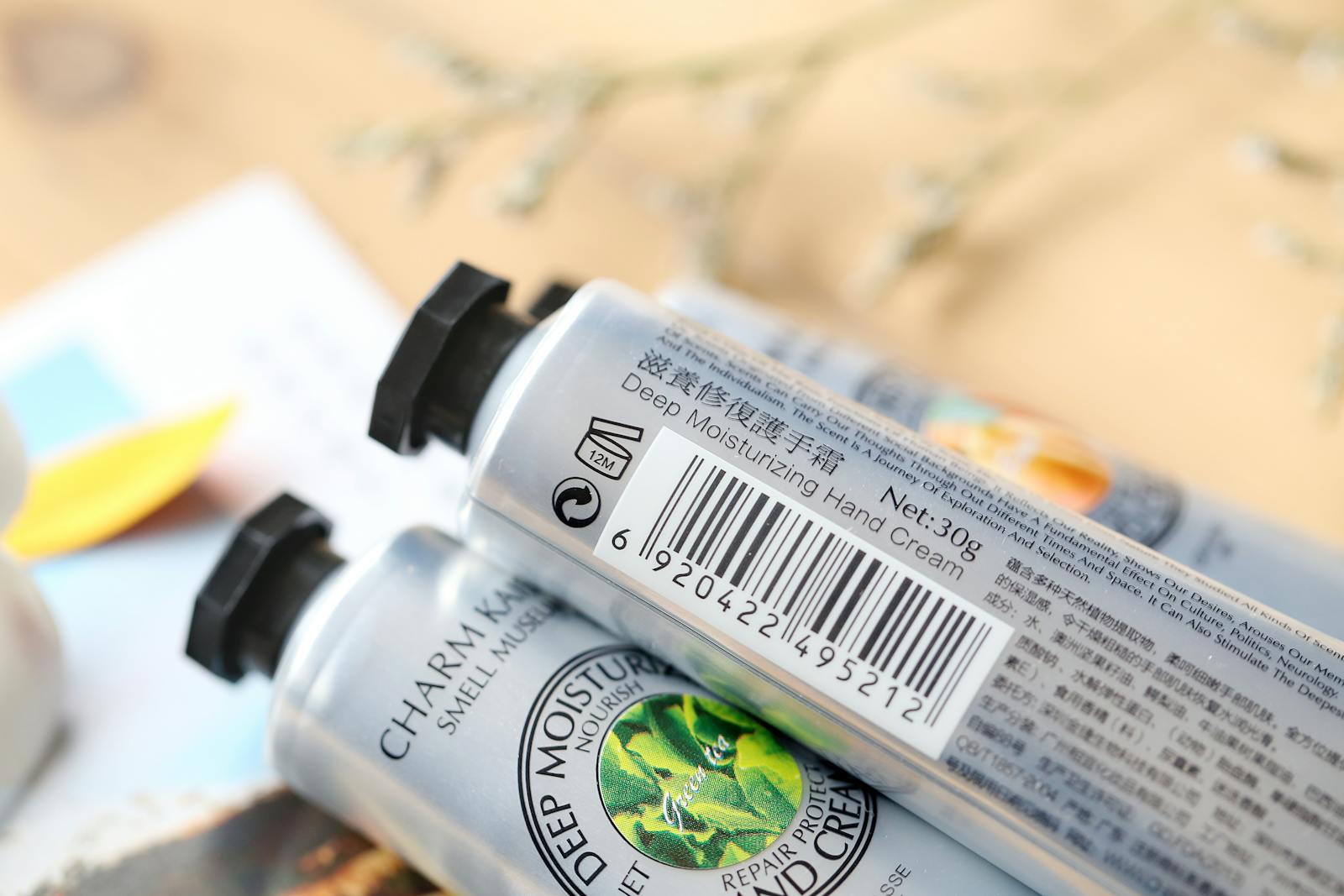
Cholesterol and fatty acids, the supporting cast
Here’s the part most ceramide-focused product copy skips. The barrier mortar isn’t only ceramides. It’s:
- ~50% ceramides
- ~25% cholesterol
- ~10–15% free fatty acids
- Smaller fractions of other lipids
If you replenish ceramides without replenishing cholesterol and fatty acids, you’re rebuilding the wall with mortar that has half the right ingredients. Studies show that applying ceramides alone can sometimes worsen barrier function in the short term because the lipid ratio gets thrown off.
The good news: the leading clinical ceramide formulations (CeraVe, Dr. Jart Ceramidin, Skinfix Barrier+) all use the 3:1:1 ratio of ceramides:cholesterol:fatty acids that mimics healthy skin. When shopping for a ceramide moisturiser, look for cholesterol and a fatty acid (linoleic acid, palmitic acid) further down the INCI list.
When ceramides matter most
Anyone benefits from ceramides in their moisturiser, but they are especially useful for:
- Active retinol users. Retinol thins the stratum corneum during adjustment; ceramides rebuild it.
- AHA/BHA users. Chemical exfoliation strips lipids; ceramides replace them.
- Atopic / eczema-prone skin. Genetic ceramide deficiency is now a recognised contributor to atopic dermatitis. Daily ceramide moisturiser is standard derm advice.
- Mature skin. Ceramide production declines from the mid-30s onward.
- Anyone in harsh, dry or cold climates. TEWL is higher in low humidity; ceramides reduce it.
How LuxSense scores ceramides
The cosmetic ceramide family scores in the mid-to-high 90s across our database. No EU regulatory restrictions, no PubChem hazard codes, no comedogenic or sensitisation concerns at cosmetic concentrations, strong barrier-repair evidence. The score reflects that ceramides are essentially the safest active class in skincare. They’re not active in the irritation sense, they are restorative.
How to spot a real ceramide formula
Three quick label checks:
- At least three ceramide types listed. “Contains ceramides” with only one ceramide on the INCI list is window-dressing.
- Cholesterol on the INCI. This is the strongest signal of an actually-formulated barrier cream, not a marketing add-on.
- The ceramides aren’t at the very bottom of the list. INCI is ordered roughly by concentration. Ceramides in the bottom three ingredients are at fragrance-trace levels.
A formula like CeraVe Moisturising Cream, listing Ceramide NP, Ceramide AP, Ceramide EOP, Phytosphingosine, Cholesterol, is a textbook example. Most luxury brands also formulate barrier creams properly; the issue is usually at the very low end of the market.
FAQ
Are plant ceramides as good as the named cosmetic ones?
Plant ceramides (often from rice, wheat, or konjac) have a slightly different structure and weaker barrier integration evidence than the named cosmetic ceramides. They’re not useless, but Ceramide NP/AP/EOP have substantially more clinical data behind them.
Can ceramides treat eczema?
They can’t cure it, but they are part of every modern atopic dermatitis management protocol. A daily ceramide moisturiser reduces flare frequency and helps the skin tolerate prescription anti-inflammatories.
Will ceramides break me out?
Almost never. Ceramides are non-comedogenic at cosmetic concentrations. Breakouts from a “ceramide moisturiser” are usually caused by other ingredients in the formula: heavier oils, fragrance, or occlusives.
Browse the Ceramide NP profile or scan any barrier cream with LuxSense to check which ceramide types are present and at what relative concentration.