snail mucin
Snail Mucin: The Science Behind the K-Beauty Hit
Snail mucin sounds like a marketing gimmick. The clinical data is more interesting than the skeptics admit, and more limited than the enthusiasts claim.
Snail mucin has done what almost no skincare ingredient does: gone from absurd-sounding curiosity to mainstream over-the-counter active in about a decade, almost entirely on word-of-mouth. The skeptical reaction (“it’s just snail slime, it must be marketing”) has been gradually displaced by a small but real body of clinical evidence. The picture in 2026 is more honest, in both directions.
What snail mucin is
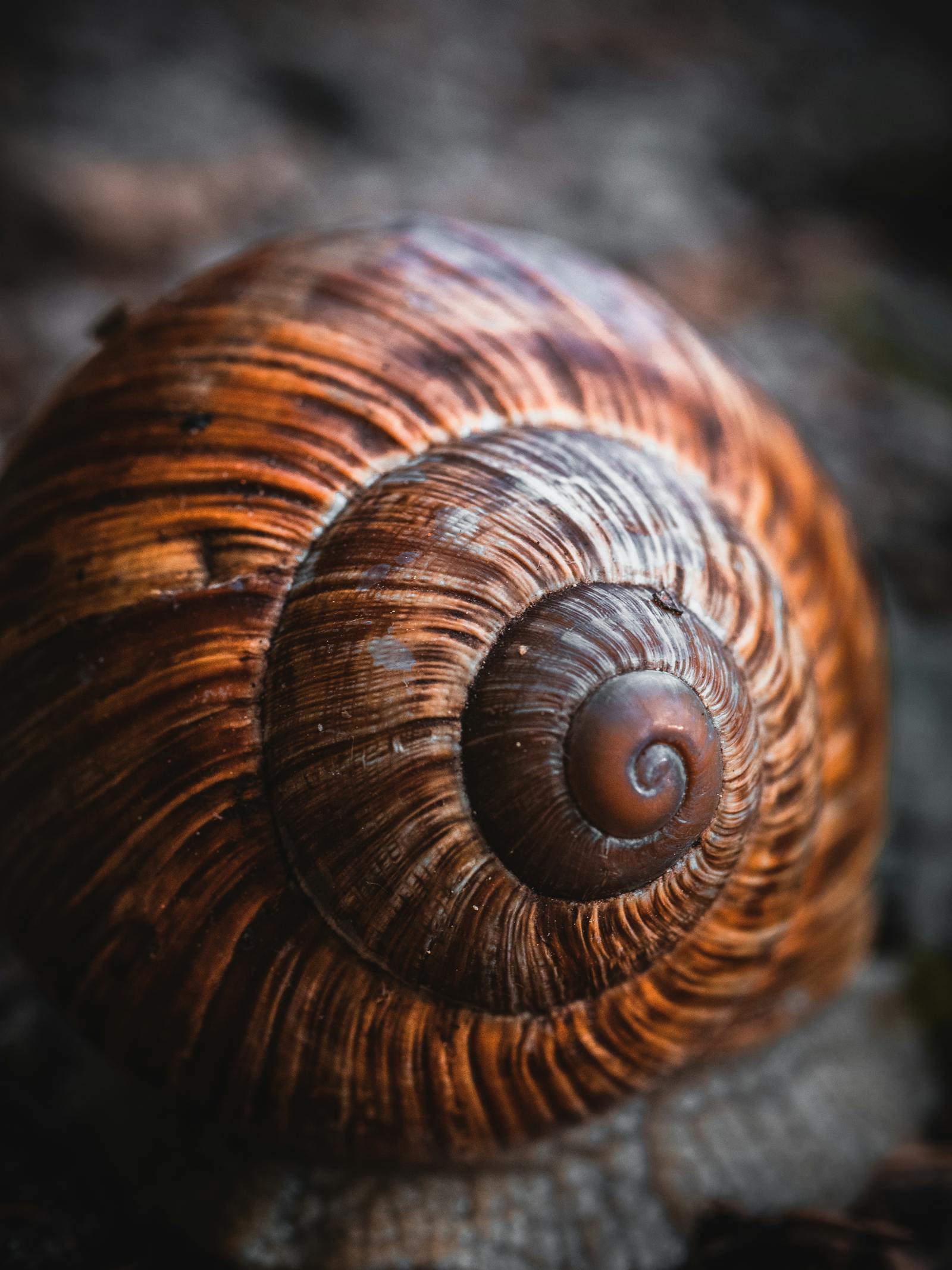
Snail Secretion Filtrate, the INCI name, is the filtered, sterilised secretion produced by certain land snails (primarily Cryptomphalus aspersa, also called Helix aspersa Müller) under controlled conditions. The snails are not harmed in modern collection protocols; they secrete the mucin naturally and are returned to their habitat.
Chemically, the secretion is a complex mixture:
- Allantoin: wound-healing and keratolytic compound
- Glycolic acid: natural AHA exfoliant at low concentration
- Glycoproteins: including small amounts of natural hyaluronic acid analogues
- Peptides including copper peptides
- Zinc and iron trace elements
- Antimicrobial peptides that protect the snail from infection
It is, in other words, a naturally formulated multi-active. The components aren’t novel (most appear in standalone form in modern skincare), but their occurrence in a single naturally produced mixture is unusual.
The clinical evidence
The strongest published data on snail mucin comes from several controlled trials, primarily on the Cryptomphalus aspersa secretion (often standardised under the trade name SCA, Secreción de Cryptomphalus Aspersa).
The most robust findings:
- Wound healing: snail mucin accelerated healing of superficial wounds and burns in several controlled studies, including post-laser-treatment skin
- Photoaged skin: 8-week and 12-week studies showed reductions in fine lines and improvements in elasticity and texture in middle-aged women using SCA-based products twice daily
- Acne marks: case-series data suggests faster fading of post-inflammatory hyperpigmentation
- Barrier improvements: transepidermal water loss (TEWL) decreased in users with damaged or sensitive skin
The studies are mostly small (20–60 participants each) and many are industry-funded, which is the standard caveat, but the effects observed are consistent across multiple independent labs, which is the more meaningful signal.
The mechanism is plausible biochemically. The mixture contains low concentrations of multiple skin-active compounds, plus glycoproteins that form a hydrating film on application.
What snail mucin is genuinely useful for
The strongest use cases:
- Post-procedure recovery: after retinoid initiation, microneedling, or chemical exfoliation. The combination of allantoin and antimicrobial peptides supports faster repair.
- Dehydrated or compromised barriers: the film-forming glycoproteins reduce TEWL while the active fraction supports cellular recovery.
- Layering hydration: snail mucin essences sit happily under almost any other serum or cream, adding hydration without changing the routine’s chemistry.
- Acne-prone but reactive skin: the natural low-glycolic content provides mild surface renewal without the irritation of dedicated AHAs.
Where the marketing gets ahead of the evidence
Honest limits:
- It is not a substitute for retinol. The collagen/elastin effects are real but modest. Anti-ageing claims that imply equivalent performance to retinoids are overstated.
- It is not a strong exfoliant. The natural glycolic acid concentration is low. If you want exfoliation, use a dedicated AHA.
- It is not a “miracle”. Several months of consistent use produces the documented improvements; magazine-headline claims of “transformative” results in a week aren’t accurate.
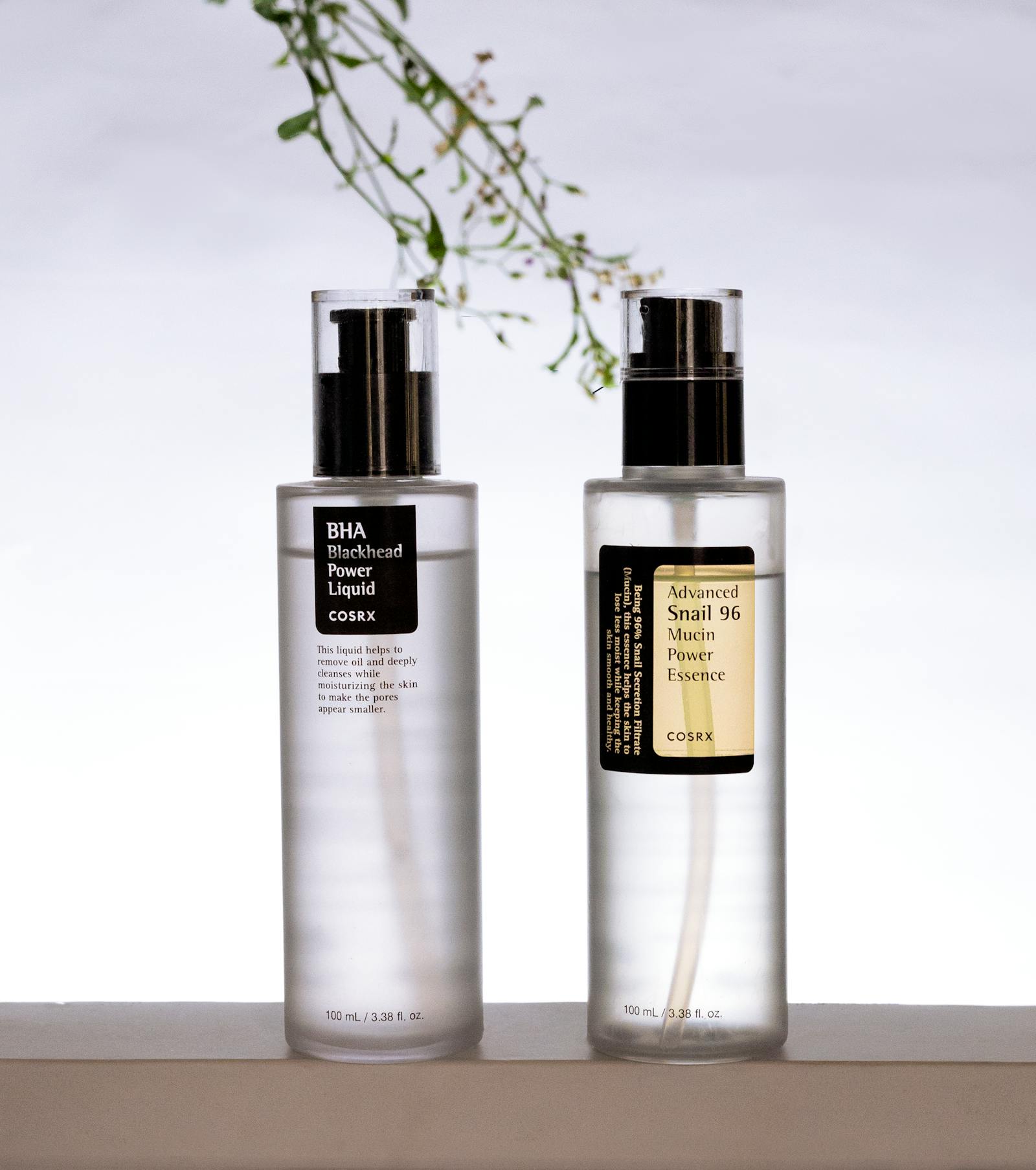
- Concentration matters. A product listing snail mucin as the second ingredient (“96% Snail Mucin Essence”, the famous COSRX positioning) is fundamentally different from one with snail mucin near the bottom of the INCI list.
The K-beauty essence format
Most successful snail mucin products follow the Korean essence format: a watery, lightly viscous serum applied after toner and before heavier serums. The essence step is meant to layer easily; snail mucin essences are particularly suited to this because of their natural slip and absorption.
The standard layering: cleanser → hydrating toner → snail mucin essence → active serum (e.g. vitamin C, niacinamide) → moisturiser → SPF.
A 96% snail mucin essence layered under the rest of the routine is fundamentally additive: it provides a hydration and recovery layer without replacing any other active.
Sourcing and ethics
Modern snail mucin collection is generally cruelty-free in the sense that snails are not killed or harmed. The standard protocol places snails on a mesh or surface, allows them to crawl naturally (which produces the protective mucin), and then collects the secretion. The snails are then returned to their habitat.
The variations between farms matter: industrial-scale farms producing low-cost mucin sometimes use stress-induction techniques that are more contested ethically. The reputable Korean and Spanish suppliers (Iberchem, Etat Pur, COSRX’s source) generally use lower-stress protocols.
For consumers, transparency on sourcing is variable. Brands that publish their sourcing practices tend to be the more careful ones.
Common allergies and side effects
Snail mucin has an unusually clean tolerance profile; most users tolerate it without issue, including sensitive skin types.
The rare exceptions:
- True snail allergy: exists but is uncommon outside specific occupational exposure (mollusc-industry workers, snail farmers)
- Cross-reactivity with shellfish allergy: limited evidence, but a precaution for users with severe shellfish allergy to start with a patch test
- Formula-component reactions: most “snail mucin breakouts” are from other ingredients in the formula (heavy occlusives, fragrance, specific preservatives), not the mucin itself
How LuxSense scores snail mucin
Snail Secretion Filtrate scores in the high 80s in our database. No EU regulatory restrictions, no PubChem hazard codes at cosmetic concentrations, growing clinical evidence base, very low sensitisation rate, well-tolerated across skin types. The score reflects strong functional evidence balanced against the relatively modest absolute effects compared to dedicated single-active formulations.
FAQ
Is “snail mucin” actually from snails?
Yes. The INCI name Snail Secretion Filtrate is a literal description. Synthetic alternatives marketed as “vegan snail mucin” use blends of allantoin, hyaluronic acid, and glycoproteins; those work but are not the same molecule mixture.
Will snail mucin replace my serum?
Probably not. It supplements rather than replaces. The natural-active concentrations are too low to match dedicated vitamin C or niacinamide serums. Use it as the layer underneath.
How quickly does it work?
Hydration and barrier feel: within days. Acne mark fading: 6–8 weeks. Texture/elasticity improvements: 12 weeks of consistent use.
Browse the snail secretion filtrate profile or scan any K-beauty essence with LuxSense to verify its snail mucin concentration and supporting formula.