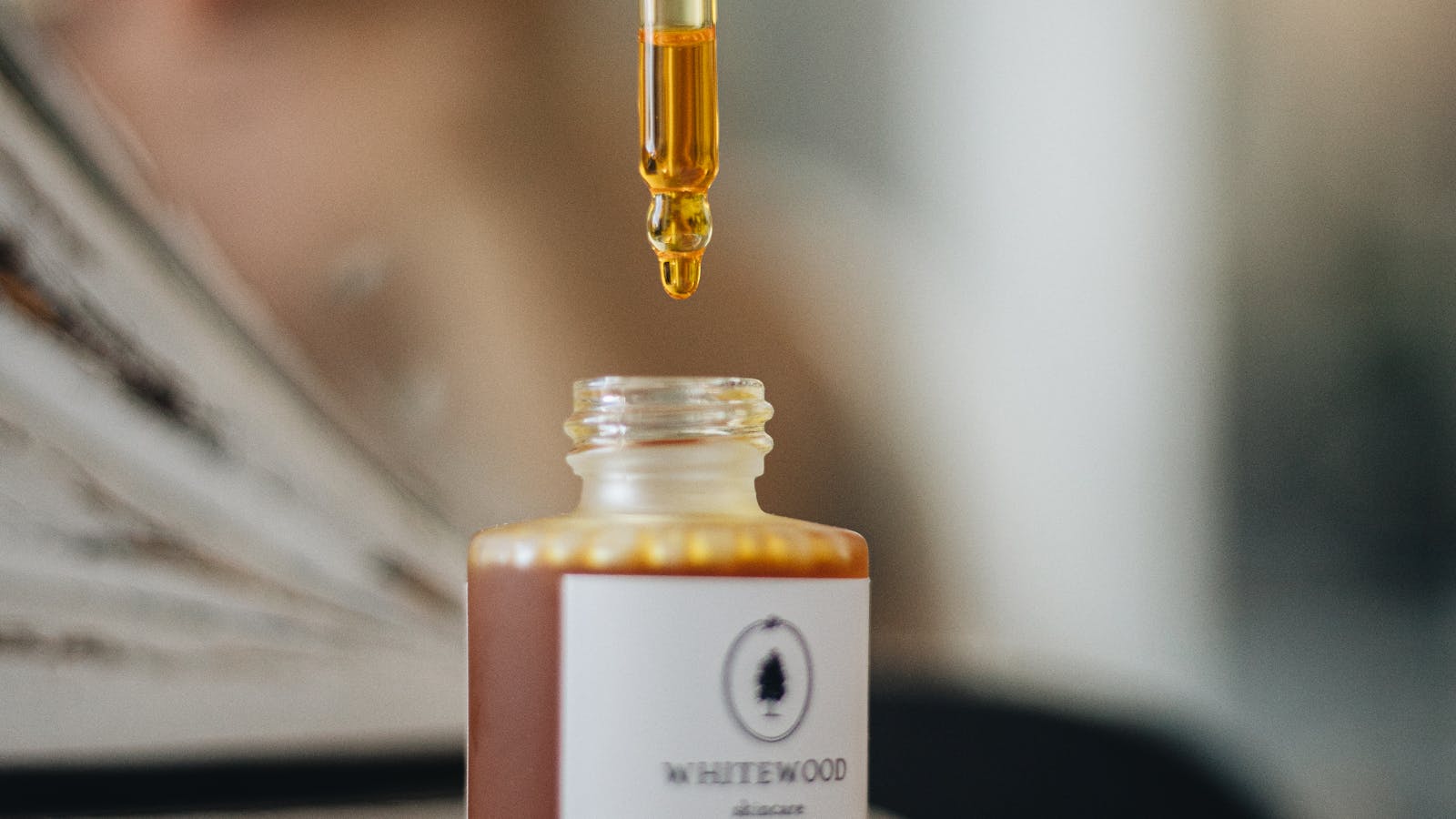
niacinamide
Niacinamide: The All-Rounder Active, Explained
Niacinamide does what most actives only claim to: smaller pores, less redness, better barrier, more even tone. The science behind why it's the safest workhorse in your routine.
If retinol is the ingredient with the loudest reputation, niacinamide is the one with the strongest evidence-to-hype ratio. It’s tolerated by almost every skin type, plays well with almost every other active, and the peer-reviewed literature on its effects is unusually large for a topical. This is the guide to using it well.
What niacinamide actually is
Niacinamide (INCI name Niacinamide, also called nicotinamide) is the amide form of vitamin B3. It is a small, water-soluble molecule that the skin absorbs readily. Once inside cells, it is converted into NAD+ and NADP+, two coenzymes involved in dozens of metabolic processes including DNA repair, energy production and lipid synthesis.
Topically, it has been studied for over twenty years in randomised trials. The five effects with the strongest evidence:
- Reduced sebum production
- Reduced appearance of enlarged pores
- Improved skin barrier function via increased ceramide synthesis
- Reduced post-inflammatory hyperpigmentation
- Reduced redness in conditions including rosacea
How it works at the cellular level
Most actives work by doing one thing well. Niacinamide is unusual because it touches several pathways at once:
- Lipid synthesis. Niacinamide boosts production of ceramides, free fatty acids and cholesterol, the three main lipid classes that make up the skin barrier. A well-built barrier holds water in and irritants out.
- Melanosome transfer. It interferes with the movement of melanin-containing organelles from melanocytes to keratinocytes. The pigment is still produced, but less of it reaches the visible surface. This is the mechanism behind its anti-hyperpigmentation effect.
- Sebaceous gland activity. Studies show 2–5% niacinamide reduces sebum excretion rate. The effect is dose-dependent up to a point, then plateaus.
- Anti-inflammatory. Niacinamide modulates several pro-inflammatory cytokines, which is why it calms redness without the rebound effect of corticosteroids.
The right concentration
The most common cosmetic range is 2% to 10%. Almost all the clinically validated effects appear at 4–5%. Going higher rarely improves results and can trigger flushing in some users.
If you see a serum that advertises “10% niacinamide!” prominently, treat it as a marketing decision, not a clinical one. The 5% mark is the sweet spot.
Pairing niacinamide with other actives
There used to be a strict rule that niacinamide and vitamin C could not be used together. That rule was based on a 1960s study using pure niacin (not niacinamide) at high temperatures, and is now considered debunked. Modern formulations routinely combine them, and the stability issue is overstated.
The safe-to-combine list:
- Niacinamide + retinol: Excellent pairing. Niacinamide reduces the irritation potential of retinol while complementing its effects on tone and texture.
- Niacinamide + hyaluronic acid: Always fine. Use HA on damp skin first, then niacinamide.
- Niacinamide + salicylic acid or glycolic acid: Fine. Niacinamide can buffer the irritation of acid exfoliants.
- Niacinamide + vitamin C: Fine in modern stabilised formulas. If you’re unsure, separate them by a few minutes or use C in the morning and niacinamide at night.
- Niacinamide + SPF: Always fine. Niacinamide is a known SPF booster in formulation studies.
What it cannot do
Niacinamide is not a miracle ingredient. A few honest limits:
- It does not exfoliate, so it won’t replace glycolic or salicylic acid.
- It does not stimulate collagen the way retinol does.
- It does not replace SPF for hyperpigmentation. Sun exposure undoes its tone-evening effect in a single afternoon.
- It does not “shrink” pores anatomically. It reduces sebum and improves surface smoothness, which makes pores appear smaller. The underlying pore diameter doesn’t change.
Side effects
The most common side effect at high concentrations (8% and up) is mild flushing. Some users report tiny breakouts in the first two weeks of use; this is usually purging from increased cell turnover and resolves quickly. True allergy to niacinamide is rare.
People with sensitive skin should start with a 2–4% serum and apply every other day for the first two weeks before going daily.
How LuxSense scores niacinamide
Niacinamide scores in the high 90s across our database. EU CosIng lists it as a standard cosmetic ingredient with no restrictions. PubChem records no hazard codes at topical concentrations. The published literature is among the deepest for any cosmetic active, a rare combination of safety and efficacy.
FAQ
Will it cause breakouts?
In the first two weeks, mild purging is possible if your skin is adjusting to faster turnover. Persistent breakouts after a month suggest another ingredient in the formula (silicones, fragrance, or a heavy occlusive) is the cause, not niacinamide itself.
Can I use 10% niacinamide?
You can. Most people don’t benefit beyond 5%, and 10% triggers flushing in a subset of users. If you find 5% gentle, there is no advantage in going higher.
How long until I see results?
Barrier and redness improvements: 2 weeks. Sebum and pore-appearance: 4 weeks. Hyperpigmentation: 8–12 weeks minimum.
Scan any product with LuxSense to see exactly how much niacinamide it contains and how it scores against our full safety framework. Browse the niacinamide profile or read the methodology behind every score.