vitamin c
Vitamin C in Skincare: Brightening, Antioxidant, Essential
Not all vitamin C is created equal. The difference between ascorbic acid, MAP, SAP and ethyl ascorbate, and which one is actually right for your skin and your formulation.
Vitamin C is the single most-studied antioxidant in topical skincare. It’s also the ingredient with the most confusing landscape on the shelf. “Vitamin C” on the front of a bottle can mean five different molecules with five different stabilities, five different optimal pH ranges, and five different efficacy profiles. This is the guide to picking the right one.
What vitamin C does in skin
Topical vitamin C has three well-documented effects:
- Antioxidant neutralisation. It donates electrons to free radicals generated by UV exposure, pollution and metabolic stress. This reduces the cumulative damage that drives photoageing.
- Tyrosinase inhibition. It interferes with the enzyme that produces melanin, gradually fading hyperpigmentation and evening out tone.
- Collagen synthesis cofactor. Vitamin C is required for two enzymes (prolyl and lysyl hydroxylase) that crosslink collagen fibres into their mature, stable form. Without it, collagen synthesis stalls.
These are not marketing claims; they are textbook biochemistry. The question on the shelf isn’t whether vitamin C works. It’s whether the form you bought is delivering vitamin C into your skin at all.
The five forms you’ll see on labels
L-Ascorbic Acid (LAA)
The active, bioavailable form. INCI: Ascorbic Acid.
Strengths: Most-studied form, with strong clinical evidence at 10–20% concentrations. Weaknesses: Highly unstable. Oxidises in the presence of light, heat, oxygen and water. Requires a pH below 3.5 to penetrate skin, which makes it irritating for sensitive types. Must be packaged in opaque, air-tight bottles.
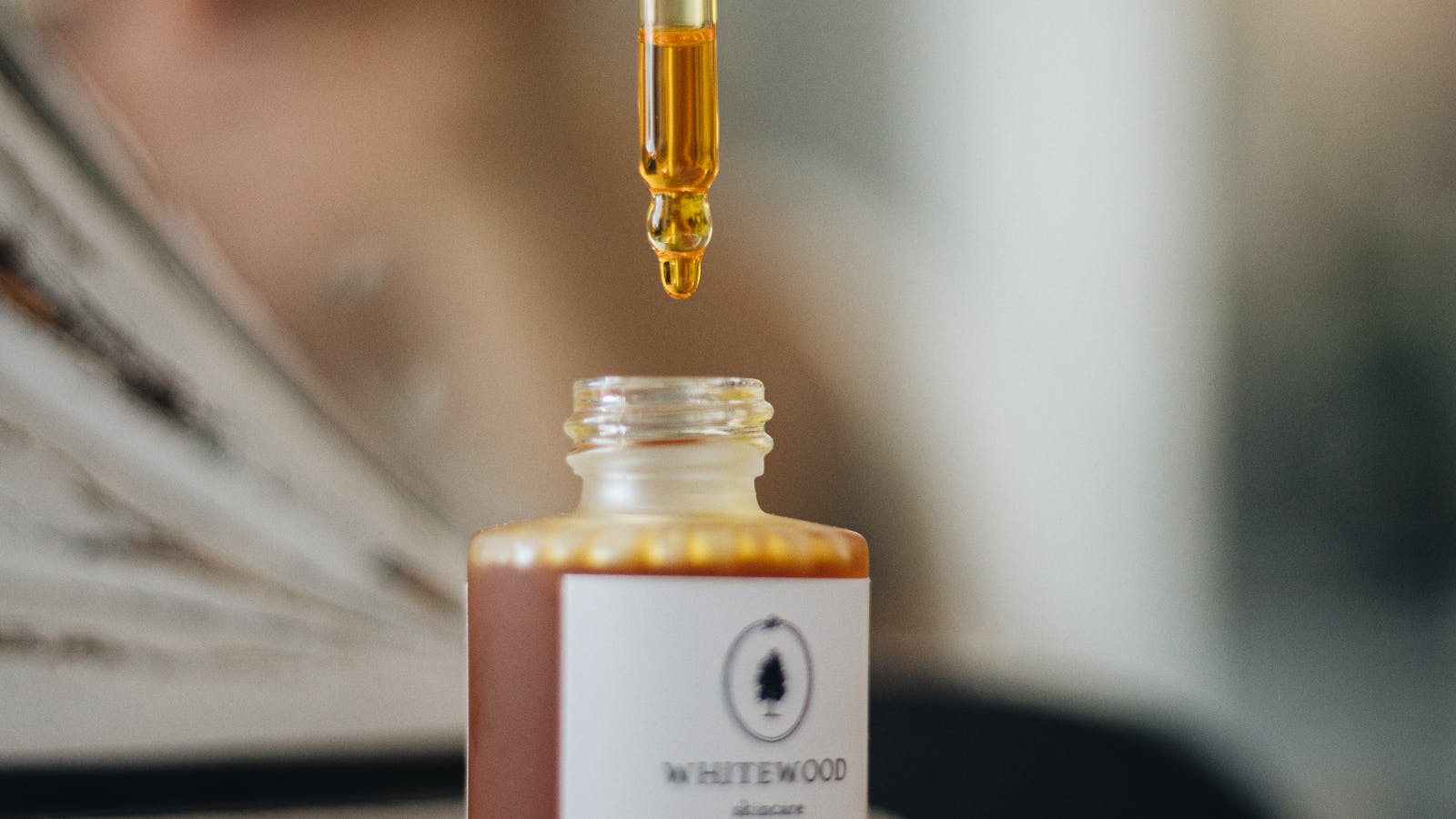
How to spot oxidised LAA: it turns yellow, then orange, then brown. An LAA serum that has gone brown is no longer vitamin C; it has degraded into dehydroascorbic acid, which can be pro-oxidant.
Sodium Ascorbyl Phosphate (SAP)
INCI: Sodium Ascorbyl Phosphate.
Strengths: Stable, neutral pH (5–7), gentle on sensitive skin. Some evidence for anti-acne effects. Weaknesses: Conversion to active vitamin C in skin is modest. Best for maintenance, not transformation.
Magnesium Ascorbyl Phosphate (MAP)
INCI: Magnesium Ascorbyl Phosphate.
Strengths: Stable, neutral pH, gentler than LAA. Better penetration than SAP. Weaknesses: Less potent than LAA at equivalent concentrations.
Ascorbyl Glucoside
INCI: Ascorbyl Glucoside.
Strengths: Very stable, water-soluble, well-suited to brightening formulas. Slow-release of active vitamin C over time. Weaknesses: Requires longer use periods to show effects. Best results at 2% and above.
Ethyl Ascorbic Acid (3-O-Ethyl Ascorbic Acid)
INCI: Ethyl Ascorbic Acid.
Strengths: Excellent stability, lipid-soluble, penetrates deeply. Active in skin at neutral pH. Weaknesses: Newer, smaller body of clinical evidence than LAA. Higher cost.
Tetrahexyldecyl Ascorbate (THD)
INCI: Tetrahexyldecyl Ascorbate.
Strengths: Oil-soluble, very stable, penetrates the lipid layers. Often appears in luxury formulations. Weaknesses: Conversion to active vitamin C is gradual and incomplete. Cost is high.
Which one is right for you
Have resilient skin, want maximum effect, willing to pay for fresh batches? L-Ascorbic Acid 10–20%, opaque packaging, replace every 3 months.
Sensitive skin or rosacea? Sodium Ascorbyl Phosphate 5% or MAP 5–10%.
Want a vitamin C in your moisturiser (rather than a dedicated serum)? Ethyl Ascorbic Acid or THD, both stable at the higher pH of a typical lotion.
Dry or mature skin? Look for a formula combining LAA with vitamin E (tocopherol) and ferulic acid. This trio is synergistic: vitamin E recycles oxidised vitamin C back to its active form, and ferulic acid stabilises both. It is the basis of the famous Skinceuticals C E Ferulic patent.
The pH problem
LAA only penetrates skin at a pH below 3.5, the same pH range as lemon juice. At higher pH, the molecule ionises and cannot cross the lipid bilayers of the stratum corneum.
This creates a tension: low pH is required for delivery, but it’s also what causes the stinging, tingling and redness that some users experience. There is no way to fix this with LAA alone. If your skin doesn’t tolerate a 10% LAA serum, the answer is to switch to a derivative (SAP, MAP, ethyl ascorbic acid), not to use LAA at the same low pH less often.
Pairing vitamin C with other actives
- Vitamin C + SPF: Always. Vitamin C amplifies the photoprotective effect of sunscreen, neutralising UV-induced free radicals that get through.
- Vitamin C + niacinamide: Fine in modern formulations. The 1960s incompatibility claim has been thoroughly debunked.
- Vitamin C + retinol: Split between AM (C) and PM (retinol). Not chemically incompatible, but together they are too irritating for most skins.
- Vitamin C + AHA/BHA: Avoid. Both work at low pH and stack irritation without adding benefit.
How LuxSense scores vitamin C forms
All cosmetic-grade vitamin C derivatives score well in our database, typically 80–95. L-ascorbic acid sits at the lower end of that range only because of its higher irritation potential at the low pH required for efficacy. Sodium ascorbyl phosphate and ethyl ascorbic acid score highest for their combination of efficacy and tolerance. None of the cosmetic vitamin C forms carry EU regulatory restrictions or PubChem hazard codes at typical use levels.
FAQ
Can vitamin C replace SPF?
No. Vitamin C is a complement to SPF, not a substitute. SPF blocks UV; vitamin C neutralises the free radicals UV creates anyway. You need both.
How long until I see results?
Brightness and glow: 2–4 weeks. Hyperpigmentation: 8–12 weeks. Fine line and texture improvement: 12+ weeks.
Why does my vitamin C serum smell weird?
If it smells metallic, sour, or fermented, it has oxidised. Vitamin C does not have an intrinsic strong smell when fresh. Replace the bottle.
Browse the ascorbic acid profile or scan your serum with LuxSense to verify its vitamin C form, concentration, and pH-appropriate companions.