skincare
Understanding Skincare Ingredients: A Beginner's Guide
Learn how to decode skincare ingredient lists and make informed choices about what you put on your skin.
Understanding Skincare Ingredients: A Beginner’s Guide
Ever looked at the back of a skincare product and felt overwhelmed by the long list of scientific-sounding names? You’re not alone. Understanding skincare ingredients can feel like learning a foreign language, but it doesn’t have to be complicated.
Why Ingredient Knowledge Matters
Some regions, like the EU, have very strict cosmetic regulations, while others are far more relaxed. But regardless of where you live, understanding what goes into your skincare products empowers you to make better choices for your specific skin needs.
The INCI System
Cosmetic ingredients are listed using the International Nomenclature of Cosmetic Ingredients (INCI) system. This standardized naming convention ensures consistency across brands and countries, but it can make ingredients look more complex than they are.
Common Examples:
- Aqua = Water
- Sodium Chloride = Salt
- Tocopherol = Vitamin E
- Ascorbic Acid = Vitamin C
Reading the List
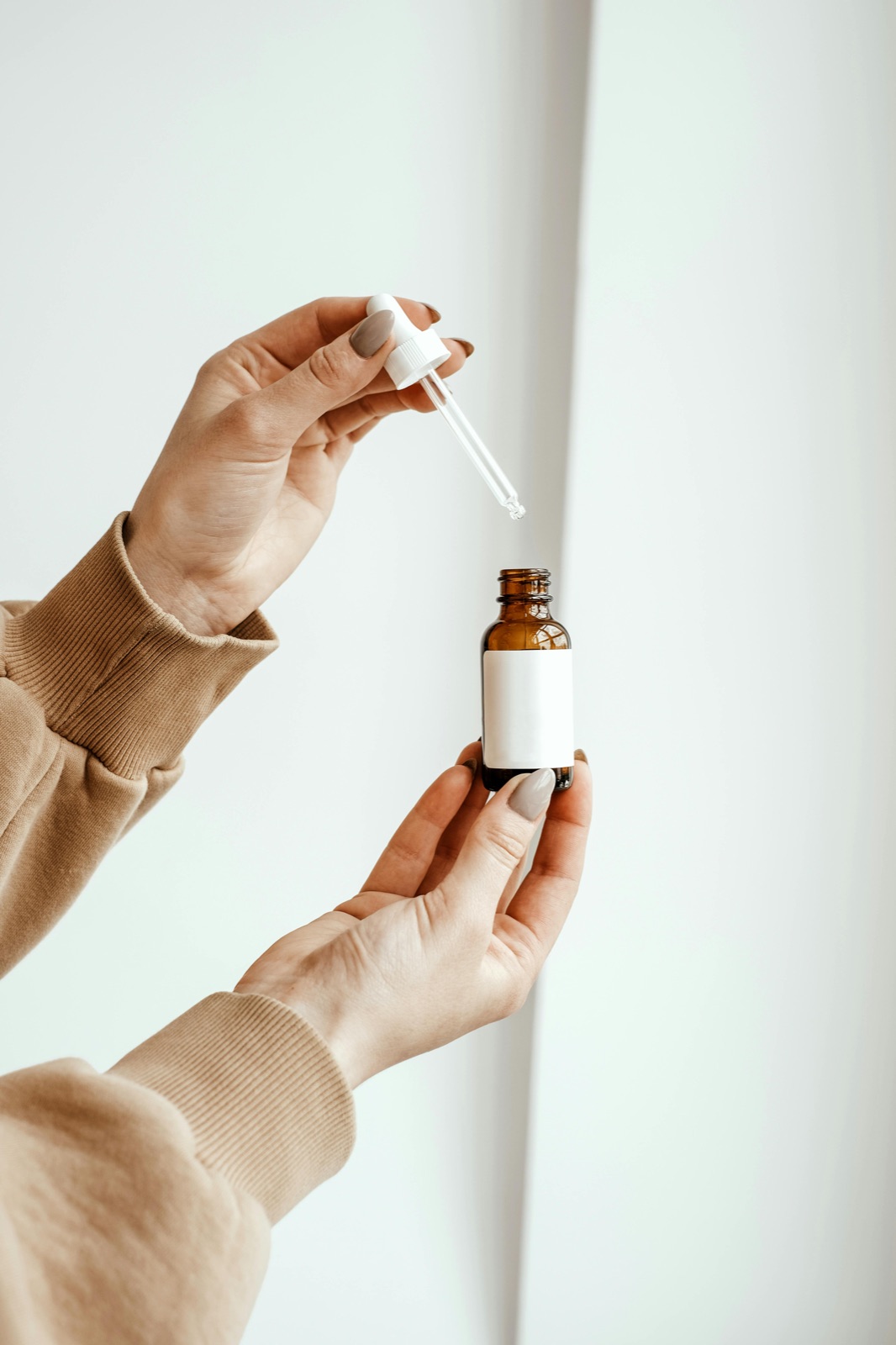
Ingredients are listed in descending order of concentration. The first few ingredients make up the bulk of the product, while ingredients listed after “parfum” or “aroma” are typically present in very small amounts.
Red Flags vs. Safe Ingredients
Not all chemical-sounding names are bad. In fact, some of the most beneficial skincare ingredients have complex names:
Generally Safe and Beneficial:
- Hyaluronic Acid: Excellent for hydration
- Niacinamide: Vitamin B3, great for pore appearance
- Ceramides: Help restore the skin barrier
- Alpha Hydroxy Acids (AHAs): Gentle exfoliation
Approach with Caution:
- Fragrances: Can cause irritation in sensitive individuals
- High concentrations of acids: Without proper introduction
- Essential oils: Natural doesn’t always mean gentler
Why Regulations Matter
Not all skincare markets are equal when it comes to safety. The EU has banned over 1,300 ingredients from cosmetics, compared to just 11 in the United States. Products held to the highest regulatory standards often feature:
- Advanced, well-researched active ingredients
- Stricter safety testing requirements
- More transparent labeling practices
Building Your Knowledge
Understanding ingredients is a journey, not a destination. Start by:
- Learning about your skin type and its specific needs
- Researching 2-3 key ingredients that could benefit you
- Patch testing new products before full application
- Keeping a skincare journal to track what works
The Future of Ingredient Transparency
As consumers become more ingredient-conscious, brands are responding with greater transparency. Tools like LuxSense are being developed to make this information more accessible, helping you make informed decisions without needing a chemistry degree.
Remember, the best skincare ingredient is the one that works for your unique skin. What matters most is understanding your skin’s needs and finding products that meet them safely and effectively.
Want to learn more about specific ingredients in your skincare products? Join our waitlist to be the first to try LuxSense’s ingredient analysis technology.