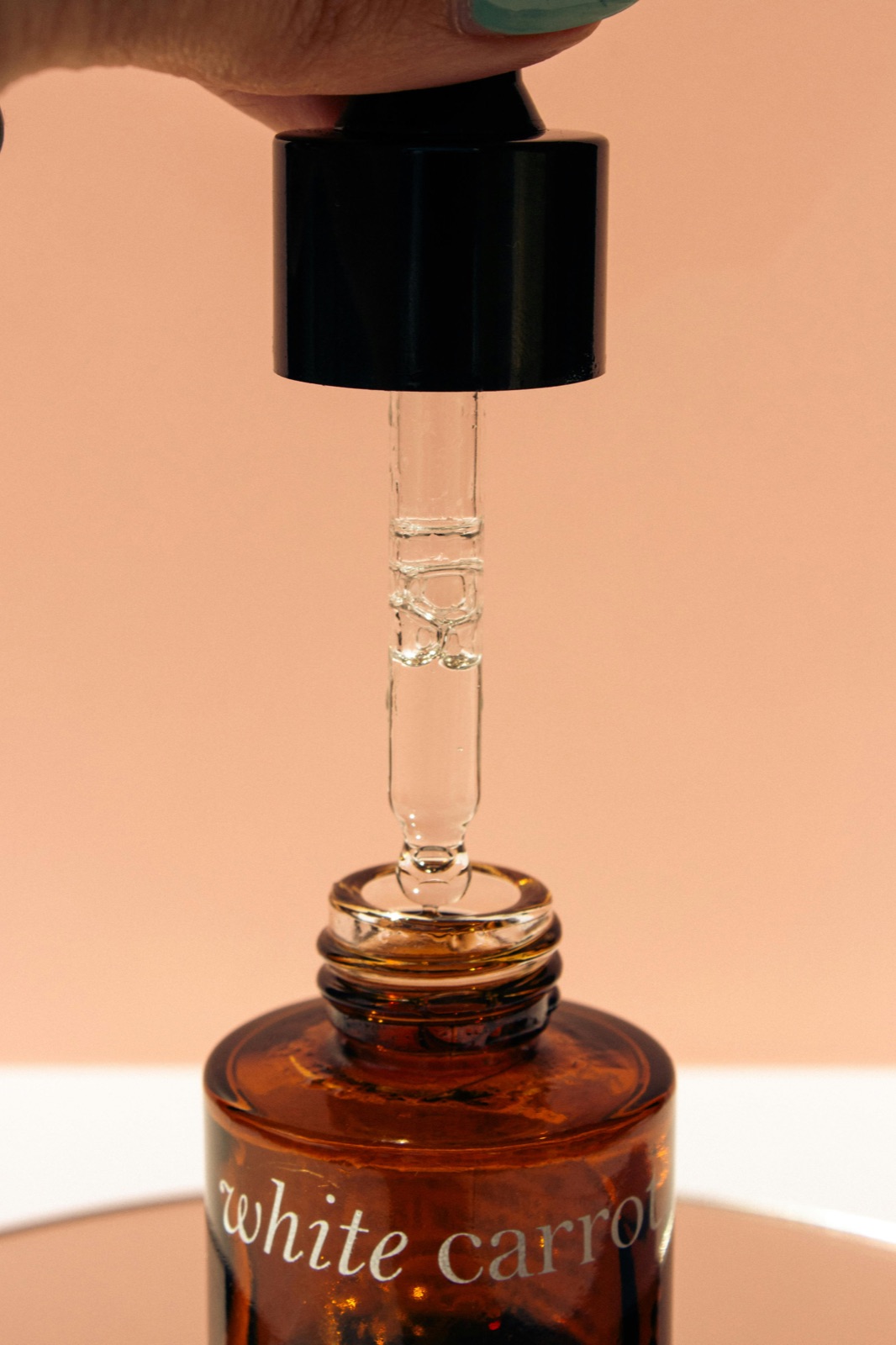
tranexamic acid
Tranexamic Acid: The New Standard for Hyperpigmentation
Tranexamic acid has moved from prescription-only treatment for melasma to a cosmetic active backed by strong evidence. Here's how it works and where it fits among the brightening ingredients.
Of the brightening ingredients that have moved from prescription to over-the-counter cosmetic use in the last decade, tranexamic acid is the one with the cleanest clinical record. It was originally developed as a medical haemostatic agent, used to control bleeding in surgery and heavy menstrual bleeding, and turned out to have a remarkable secondary effect on melasma and post-inflammatory hyperpigmentation. The shift from medical to cosmetic was driven by genuine evidence.
What tranexamic acid is
Tranexamic acid, INCI Tranexamic Acid, is a synthetic analogue of the amino acid lysine. Structurally simple, water-soluble, and stable.
Its original medical use was as an antifibrinolytic: it inhibits the breakdown of fibrin clots, used to control bleeding. The medical version is taken orally or injected at doses far exceeding any cosmetic exposure.
The skincare application discovered in the late 1970s in Japan: tranexamic acid, applied topically or taken orally at lower doses, dramatically reduced melasma. The mechanism was different from its haemostatic effect. Decades of subsequent research clarified that the molecule has a distinct skin-level mechanism that explains why it works for pigmentation.
How it works for pigmentation
Tranexamic acid interrupts the plasmin-arachidonic acid-prostaglandin pathway that triggers melanin synthesis. Specifically:
- UV exposure and inflammation activate plasmin at the skin surface
- Plasmin liberates arachidonic acid from cell membranes
- Arachidonic acid is converted to prostaglandins and leukotrienes
- These signal melanocytes to increase melanin production
- Tranexamic acid blocks step 1, the plasmin activation, interrupting the cascade
This is fundamentally different from the mechanism of hydroquinone or vitamin C, which act downstream on tyrosinase (the enzyme that synthesises melanin). Tranexamic acid acts upstream, at the inflammatory trigger.
The practical consequence: tranexamic acid is particularly effective for pigmentation that has an inflammatory or vascular component (melasma, post-inflammatory hyperpigmentation (PIH), and sun-triggered dark spots) where the underlying driver is repeated melanocyte stimulation rather than just baseline activity.
The clinical evidence
Several head-to-head studies and meta-analyses have established tranexamic acid as a viable alternative to hydroquinone for melasma:
- Topical 3–5% tranexamic acid shows comparable melasma improvement to 2–4% hydroquinone over 12 weeks
- Oral tranexamic acid (prescription only) at 250 mg twice daily produces faster and more dramatic melasma improvement, but with the cardiovascular and thrombotic risks of any antifibrinolytic medication
- Microneedling-assisted tranexamic acid further accelerates results in clinical settings
- Combination with kojic acid or niacinamide shows additive effects
The cosmetic concentration ceiling in the EU is currently around 5% for topical formulations. Higher concentrations exist in clinical/professional settings but are not standard cosmetic practice.
Who tranexamic acid is for
The strongest use cases:
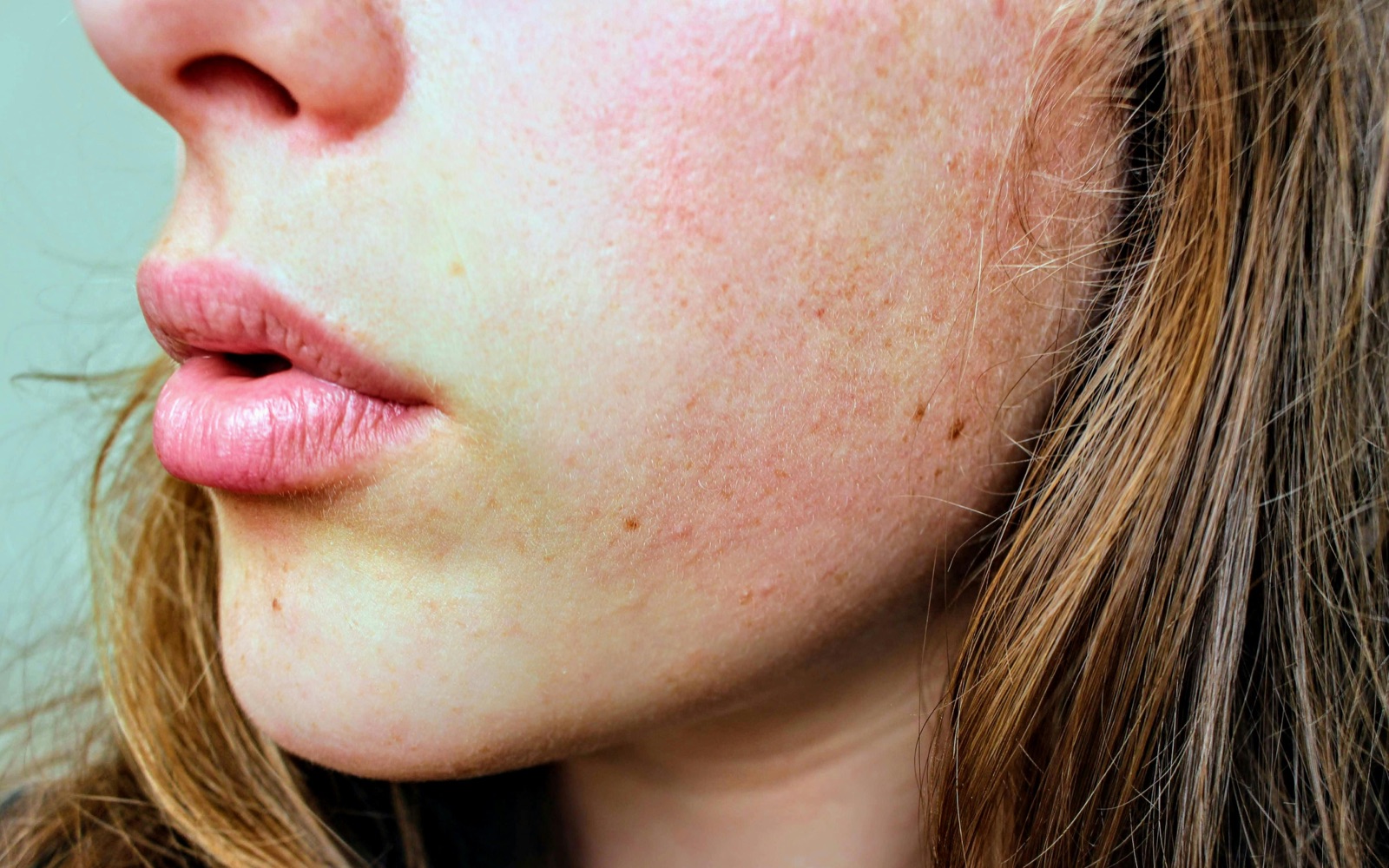
- Melasma: the canonical use. Particularly the hormone-driven melasma associated with pregnancy (“mask of pregnancy”) and hormonal contraception.
- Post-inflammatory hyperpigmentation from acne, especially in skin tones where conventional treatments (hydroquinone, strong AHAs) risk inflammatory rebound and worsening pigmentation.
- Sun-triggered diffuse pigmentation in older skin.
- People who have tried hydroquinone and reacted poorly: tranexamic acid is significantly gentler.
It is less effective for baseline freckles (which are genetic and not driven by inflammation) and for purely textural concerns.
How to use it
Tranexamic acid is unusual in being both well-tolerated and effective in the same formula. Practical guidance:
- Concentration: 2–5% in topical serums and creams
- Frequency: Twice daily, morning and night
- Pairing: Works synergistically with vitamin C, niacinamide, and retinol. No special timing constraints.
- SPF: Non-negotiable. Sun exposure undoes pigmentation treatment in a single afternoon. SPF 50 every morning.
- Timeline: First visible improvement in 4–6 weeks; significant improvement at 8–12 weeks; full benefit at 12–16 weeks of consistent use.
A reasonable regimen for melasma: morning vitamin C + tranexamic acid + SPF 50; evening niacinamide + tranexamic acid, with retinol 2–3 nights a week.
What it can’t do
Honest limits:
- Solar lentigines (sun spots) often respond better to chemical peels or laser; tranexamic acid helps but isn’t the strongest option.
- Drug-induced or congenital hyperpigmentation: tranexamic acid targets the inflammatory pathway; conditions with different aetiology need different treatment.
- Severe, resistant melasma: oral or procedure-based treatment under dermatologic supervision is usually needed.
- Active acne with PIH: treating the active inflammation first (salicylic acid, azelaic acid) is the foundation; tranexamic acid is the layer that addresses the resulting marks.
Safety profile
Topical tranexamic acid at cosmetic concentrations has an excellent safety record:
- No EU regulatory restrictions on topical cosmetic use
- No documented sensitisation pattern at cosmetic concentrations
- No photosensitivity (unlike hydroquinone or strong AHAs)
- Compatible with pregnancy at cosmetic topical concentrations (oral tranexamic acid is contraindicated; topical is different, confirm with your obstetrician)
The cardiovascular and thrombotic risks associated with high-dose oral tranexamic acid do not apply to topical cosmetic use. Cosmetic absorption is minimal compared to oral dosing.
How LuxSense scores tranexamic acid
Tranexamic acid scores in the high 80s to low 90s in our database. The combination of strong clinical evidence, clean safety profile, no EU restrictions, and meaningful efficacy on a difficult cosmetic concern (melasma) places it among the higher-scoring cosmetic actives. The score is slightly below “perfect” only because the evidence base, while solid, is smaller than for vitamin C or retinol, both of which have decades more published research.
FAQ
Tranexamic acid vs hydroquinone?
Hydroquinone is stronger but limited in the EU (banned from cosmetics, prescription-only for specific medical use). It also has rebound risks if used incorrectly. Tranexamic acid is the cosmetic-grade alternative, with comparable evidence for melasma, freely available, and a much wider safety window.
Tranexamic acid vs vitamin C?
They are complementary. Vitamin C inhibits melanin synthesis directly (tyrosinase). Tranexamic acid blocks the upstream inflammatory trigger. Using both addresses pigmentation at two levels and is well-tolerated.
Should I use the prescription oral version?
Only if a dermatologist recommends it for resistant melasma after topical treatment hasn’t worked, and after a personal cardiovascular risk assessment. Oral tranexamic acid is a medication with real systemic effects, not a stronger version of the cosmetic serum.
Browse the tranexamic acid profile or scan any brightening product with LuxSense to verify its tranexamic acid concentration and formulation quality.