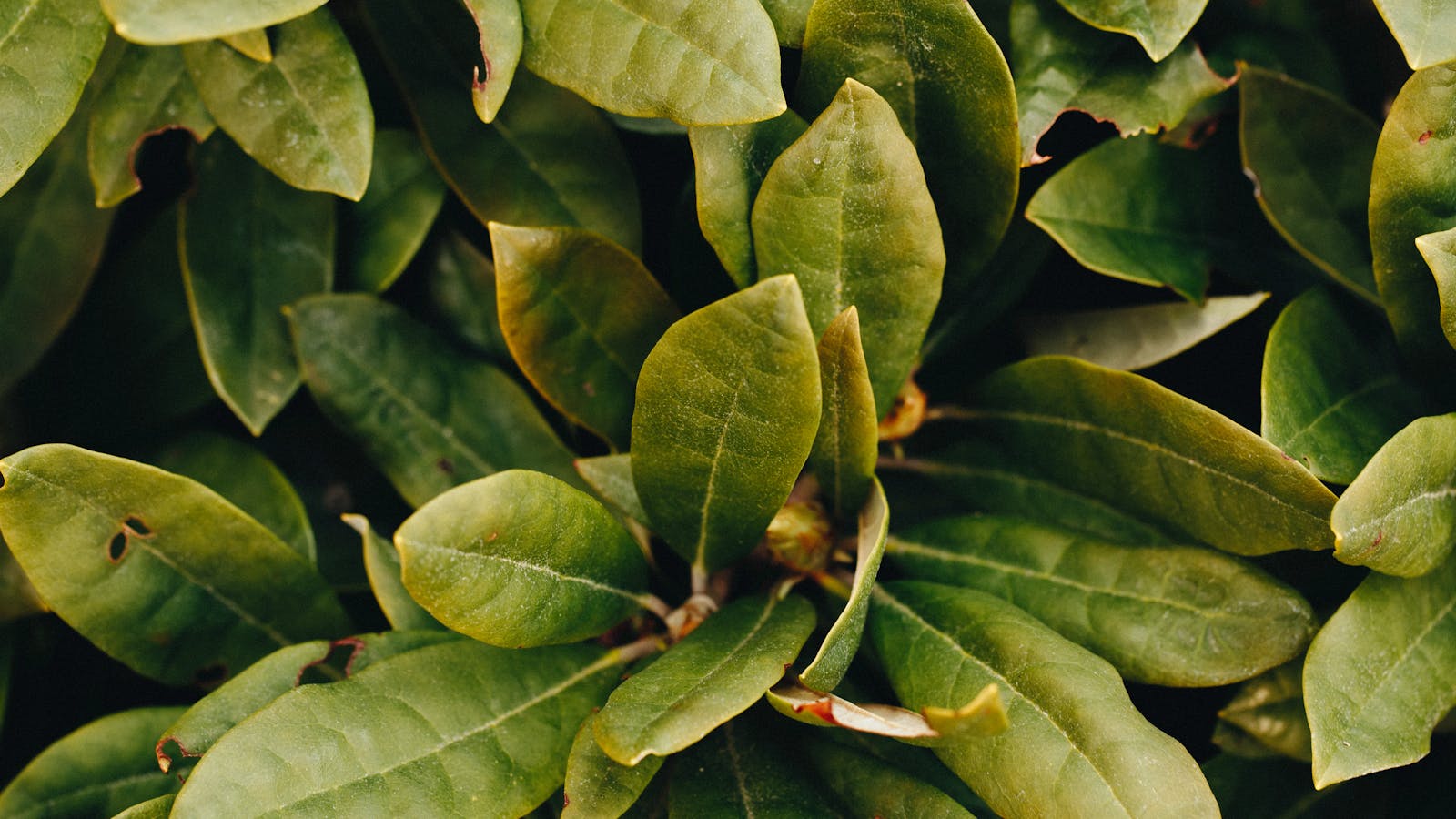
centella asiatica
Centella Asiatica (Cica): K-Beauty's Repair Ingredient
Cica went from obscure botanical to mainstream barrier-repair ingredient in five years. Here's the real biochemistry, the four active triterpenes, and why the formulation details actually matter.
Centella asiatica, known on Western shelves as “cica” after the wound-healing connotation of its long therapeutic history, has gone from niche K-beauty ingredient to mainstream barrier-repair active in under five years. The traditional use is centuries old; the cosmetic science is more recent but solid. This is the explainer.
What centella asiatica is
Centella Asiatica Extract is derived from a herb that grows wild across South and Southeast Asia. It has been used in Ayurvedic, traditional Chinese, and Indonesian medicine for over 2,000 years, primarily for wound healing, scar prevention, and treating skin inflammation.
The active fraction is a group of four triterpenes:
- Asiatic acid
- Madecassic acid
- Asiaticoside
- Madecassoside
These are the molecules with the documented biological activity. A “cica” product that lists only “Centella Asiatica Extract” without specifying or supplementing with named triterpenes is using the whole-plant extract, which contains the active compounds in variable concentrations.
The higher-end Korean cica formulations (pioneered by brands like SkinFood, A’pieu, Dr. Jart Cicapair, COSRX, and Purito) typically combine the whole-plant extract with TECA (titrated extract of centella asiatica), a standardised mixture of asiaticoside, asiatic acid and madecassic acid.
What it actually does
The clinical evidence for cica’s effects is decent, much of it from medical wound-healing studies that translate reasonably well to cosmetic barrier-repair use. The mechanisms:
- Stimulates collagen I synthesis. Asiaticoside up-regulates collagen production in fibroblasts in vitro, with some in-vivo confirmation.
- Anti-inflammatory. All four triterpenes modulate inflammatory cytokines, calming redness from a wide range of triggers.
- Antioxidant. Madecassoside has well-documented free-radical scavenging activity.
- Improves microcirculation. Originally used as a treatment for venous insufficiency. The same effect supports skin oxygenation and nutrient delivery.
In cosmetic use, this translates to:
- Reduced redness from over-exfoliation, retinoid adjustment, or environmental irritation
- Faster recovery of compromised skin barriers
- Less reactivity over time with sustained use
When cica is genuinely useful
The strongest use cases:
- Post-procedure recovery. After microneedling, chemical peels, or laser treatment. Centella-based creams are routinely recommended by dermatologists for this window.
- Retinoid adjustment. Starting retinol and dealing with the initial irritation phase. Cica calms without interfering with retinol’s action.
- Compromised barrier. Skin that is sensitive, reactive, or recovering from over-active-stacking. Pairs naturally with ceramides.
- Acne with inflammation. Reduces the visible redness and the post-inflammatory hyperpigmentation that follows.
- Rosacea. Less first-line than azelaic acid, but useful as a supporting ingredient.
How to spot a real cica formula
The bar for “cica product” on labels is low. Some quick filters:
Strong signals:
- Multiple cica-related INCI entries (Centella Asiatica Extract + Asiaticoside + Madecassoside, or named TECA)
- One of these named ingredients in the top third of the INCI list
- Combination with complementary repair ingredients (ceramides, niacinamide, panthenol)
Weak signals:
- “Centella Asiatica” near the bottom of the INCI list with no triterpene companions
- “Madeca” or “Cica” used as a brand name but with no cica ingredients listed prominently
- Marketing copy heavy on “skin-healing” with no specific actives
How to use cica
Cica products are easy to integrate. No pH considerations, no photosensitivity, no special timing.
- Soothing toners and essences: apply after cleansing, before serums
- Repair creams: use as your moisturiser when skin feels irritated
- Spot treatments: apply on red, reactive areas
- Sleeping masks: heavy occlusive cica formulas work well for overnight recovery
Layers well with: everything. Hyaluronic acid, niacinamide, peptides, retinol, vitamin C, AHAs, BHAs, SPF. The only risk is overpaying for an ingredient that isn’t actually prominent in the formula.
The “centella patch” trend
The pimple patches and red-spot treatments that flooded the market in 2024–2025 often centre on cica or a cica-niacinamide combination. The patch format provides occlusion, which:
- Concentrates the active ingredients against the skin
- Prevents picking and further irritation
- Keeps the area moist for faster recovery
Patches are a legitimate delivery method for cica, particularly for inflammatory acne or minor skin trauma. The brand difference is usually marketing rather than ingredient quality.
How LuxSense scores cica
Centella Asiatica Extract and its named active triterpenes score consistently in the 90s. No EU regulatory restrictions. No PubChem hazard codes at cosmetic concentrations. Strong evidence base for wound healing and anti-inflammatory effects. One of the cleanest ingredient profiles on the cosmetic shelf.
A small caveat: as with any botanical extract, allergy potential exists in the small percentage of users sensitive to the Apiaceae plant family. Real allergic reactions to centella are rare but possible.
FAQ
Is cica useful if my skin isn’t irritated?
Yes, but the benefit is preventive rather than corrective. Daily cica use supports barrier resilience but doesn’t show the dramatic improvement you’d see in already-compromised skin.
Cica vs ceramides?
Different mechanisms. Cica is anti-inflammatory and signal-stimulating; ceramides are structural lipid replacement. A repair routine works best with both.
Are “Cicaplast” and “Cicapair” the same as raw cica?
They are branded formulations (La Roche-Posay, Dr. Jart) that combine centella triterpenes with other supporting actives. Both are reasonable choices; the brand decision comes down to formulation preference, not the cica content itself.
Browse the centella asiatica profile or scan any “cica” product with LuxSense to verify its actual centella content and triterpene companions.