
mens skincare
Lookmaxxing, Mogging, and Skincare: What Gen Z's Aesthetics Obsession Means for the Cosmetics Aisle
Lookmaxxing is the internet's umbrella term for self-optimisation through grooming, skincare and aesthetics. Here's where the trend is real, where it tips into pseudoscience, and what it's doing to the men's cosmetics market.
In late 2023, the word “lookmaxxing” started escaping the corners of the internet where it was born. By mid-2025, it was a TikTok hashtag with over six billion views, a New York Times style-section piece, and a measurable line item in market research for men’s skincare. By 2026, dermatologists in major cities report that “I want to start lookmaxxing” is now a clinically common opening line from male patients in their late teens and twenties.
For anyone who works in or thinks about cosmetics, lookmaxxing is the most important consumer-side shift in men’s grooming since the metrosexual cultural moment of the early 2000s. It’s also one of the most misunderstood. This post unpacks what it is, what it actually means for the cosmetics aisle, and where the trend is healthy versus where it has tipped into something more concerning.
Where the term comes from
Lookmaxxing originated in early-2010s message-board subcultures (particularly Reddit’s now-banned /r/lookism and its successors /r/lookmaxxing and /r/incelconspiracy) as a portmanteau of “looks” and “maxxing” (gaming-community slang for optimising a single variable). The original community was rooted in male appearance anxiety with a heavy dose of pseudoscientific aesthetics theory: facial ratios, the “PSL” rating scale (Pretty-Slightly-Lookmaxxed, originally a ten-point attractiveness scale), and competitive ranking of facial features.
Three things happened between 2020 and 2025 that pushed it mainstream:
- TikTok absorbed the vocabulary. The platform’s algorithm started serving aesthetics-optimisation content to a much broader audience than the original message boards. The dark, ranking-focused origins were filtered out in favour of practical “how to improve your face/jaw/skin/hair” content.
- K-beauty and Korean men’s grooming culture went global. The visual standard for “well-maintained” male skin shifted dramatically. Younger men now expect their own skin to look like the smooth, glass-skin standard set by K-pop idols and Korean actors.
- Telehealth made tretinoin and finasteride trivially accessible. Apps like Hims, Roman, and Manual normalised the idea that men can and should use prescription-grade cosmetic interventions. What was once a dermatology-clinic conversation became a $40/month subscription.
Adjacent vocabulary you’ll hear: mogging (visually outperforming a peer in attractiveness; the verb form is “to mog someone”), bone smashing (an extreme and medically dangerous practice claiming to reshape facial bones through repeated trauma; do not do this), mewing (a tongue-posture technique claimed to reshape the jaw, with limited evidence in adults), glow-up (a general improvement in appearance over time), and softmaxxing (the gentler, skincare-and-grooming-focused subset of lookmaxxing that doesn’t involve surgery, supplements, or extreme techniques).

What’s actually evidence-based
Strip away the message-board mythology and the dangerous extremes, and the softmaxxing core of lookmaxxing is mostly identical to what dermatologists, dentists, and trainers have recommended for decades. The cosmetic ingredient anchors are well-studied:
- Daily SPF. Photoaging is the single biggest driver of premature visible ageing. Daily broad-spectrum sunscreen is the most evidence-backed cosmetic intervention available. See our sunscreen filters explained breakdown.
- Retinol or tretinoin. The gold-standard topical for skin texture, fine lines, and acne. Over-the-counter retinol or prescription tretinoin both work; the difference is potency and adjustment period.
- Niacinamide. Cheap, well-tolerated, evidence for oil regulation, redness reduction, and barrier support. Most men’s skin responds well.
- Azelaic acid. Particularly useful for the post-acne redness and uneven texture common in men who had acne in their teens.
- Gentle exfoliation. BHA/salicylic acid for oily or acne-prone skin; AHAs for surface texture and dullness.
- Moisturiser with ceramides. Ceramides repair the barrier that gets stripped by shaving, hot showers, and frequent washing.
- Lip balm with SPF. Lip-area skin ages faster than most men realise; daily SPF on the lips makes a measurable long-term difference.
These ingredients aren’t trendy. They’ve been derm-recommended for thirty years. What’s new is the cultural permission for men to use them openly.
What’s grey-area
A second tier of lookmaxxing practices have some evidence but are over-marketed and over-promised online:
- Peptide serums. The clinical evidence on peptides is real but the marketing is wildly ahead of it. Useful adjunct; not a substitute for retinol and sunscreen.
- Mewing (tongue-posture training). Some orthodontic evidence in growing children. Almost no evidence for measurable adult facial-structure changes. Probably harmless.
- Jaw-exercise devices (the silicone “jaw trainers” sold on TikTok). Marketed as facial-muscle hypertrophy. The masseter does hypertrophy with exercise, usually in ways that don’t actually achieve the aesthetic users want.
- Mouth-taping for nose-breathing. Some sleep-quality evidence; minimal aesthetic evidence.
- Microneedling rollers at home. Effective in clinical settings. At-home use frequently causes more barrier damage than benefit if depth and sanitation aren’t controlled.
The pattern across this tier: the underlying principle has some basis, but the implementation as sold to the lookmaxxing community usually overpromises.
What’s dangerous
A third tier of lookmaxxing practices range from useless to actively harmful:
- Bone smashing. Striking the face repeatedly to claim to thicken bone through Wolff’s law. This is just facial trauma. It causes microfractures, scarring, and permanent disfigurement. The “evidence” for it is non-existent.
- Extreme calorie restriction “for a sharper jawline.” Restrictive eating tipping into orthorexia or anorexia. Body Dysmorphic Disorder is significantly elevated in the lookmaxxing community according to recent dermatology survey data.
- Sourcing prescription drugs (tretinoin, finasteride, minoxidil, anabolic steroids) from grey-market vendors. Compounded products from unregulated overseas pharmacies bypass the safety, dosing, and adulterant testing that legitimate prescription routes provide.
- Surgical interventions before age 25. Facial structure continues developing into the mid-twenties. Cosmetic interventions before then commit you to outcomes that may not suit your adult face.
When a lookmaxxing creator is selling a product, the further it sits from “boring derm-approved skincare,” the more skeptical to be.
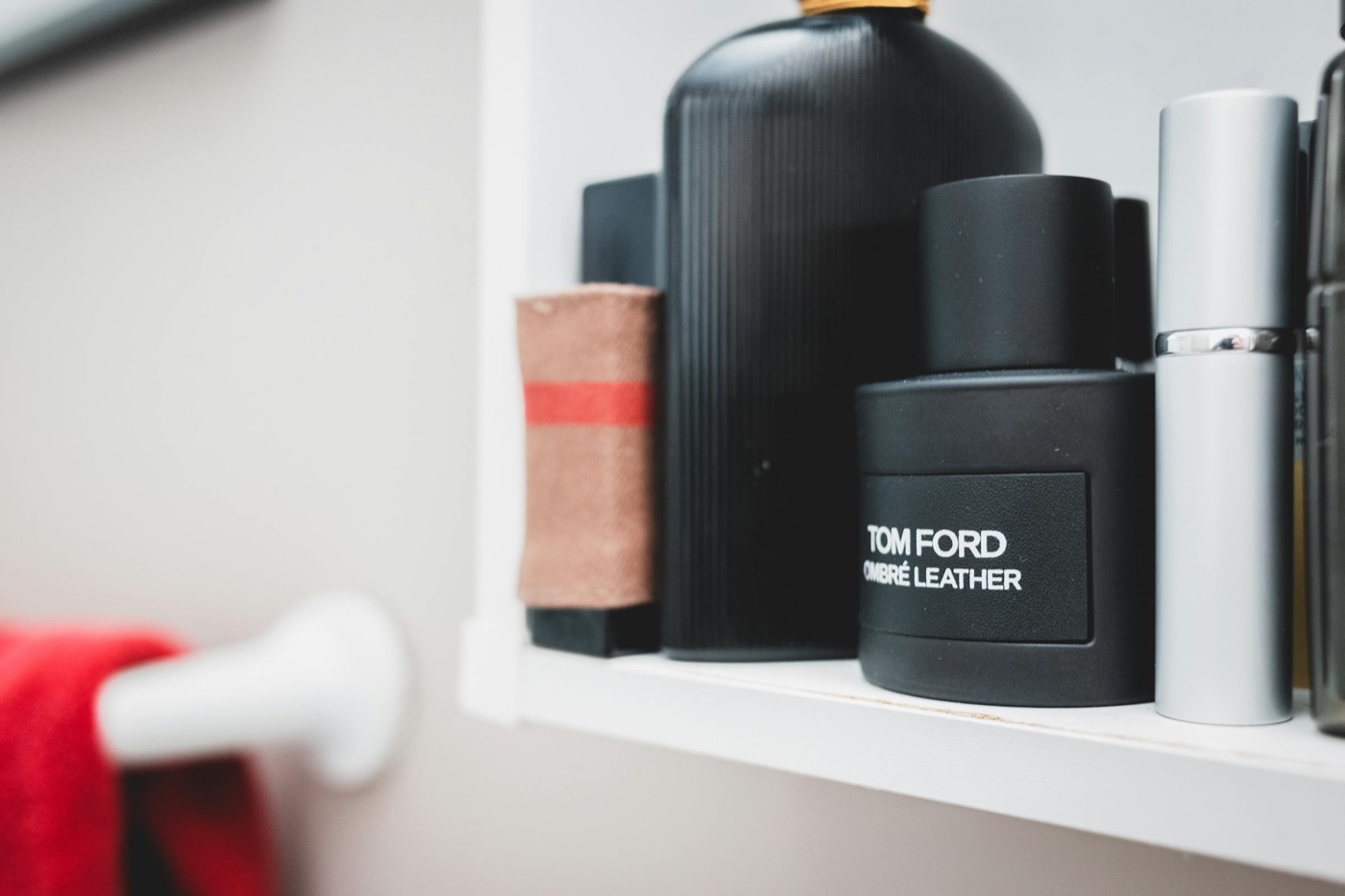
What this is doing to the cosmetics market
The market data tracks the cultural shift closely. Men’s skincare was a $35 billion category globally in 2024; market research projects $50–60 billion by 2030 with most of that growth coming from consumers aged 14–28. Some specific shifts:
- Tretinoin telehealth subscriptions have grown faster than any other men’s prescription category over the last three years.
- Korean men’s grooming exports (toners, essences, cushion compacts, hair products) have become a leading category in EU and US online beauty retailers.
- The 12-step routine, once a K-beauty-female-coded marketing concept, is now being marketed unironically to men. Sephora’s men’s section has roughly tripled SKU count since 2022.
- “Glass skin” as a male aesthetic ideal has displaced the matte/rugged Western standard in younger demographic surveys. This shift drives demand for hydrators, hyaluronic acid serums, and ceramide-rich moisturisers in the men’s category.
- Sunscreen literacy among men has measurably improved. Daily SPF use in the 18–28 demographic has roughly doubled since 2020 according to large dermatology-clinic surveys.
For consumer protection, this is mostly good news. Daily sunscreen, gentle moisturiser, and a sensible retinol introduction are unambiguously positive interventions. The downside is that the increased market also creates space for grift: overpriced peptide serums, jaw-exercise devices, and supplement stacks marketed with the same energy as the evidence-based core.
A practical lookmaxxing routine that LuxSense would endorse
If a 22-year-old reader walked into the LuxSense office and asked for the cosmetic core of a lookmaxxing routine, the honest answer is short:
- Morning: Gentle cleanser → moisturiser with niacinamide and ceramides → broad-spectrum SPF 50.
- Evening: Gentle cleanser → adjustment-phase retinol (start at 0.025%, twice weekly, escalate over 3 months) → ceramide-rich moisturiser.
- Twice a week, in the evening (alternating with retinol nights): Salicylic acid or azelaic acid for texture and post-acne discolouration.
- Once a week: A leave-on AHA mask or chemical exfoliant for surface dullness.
- Daily: Lip balm with SPF, especially outdoors.
- Beyond cosmetics: Sleep, hydration, regular exercise, avoiding smoking. These do more for visible skin quality than any serum.
If you stick to this for six months, you will see meaningful improvement in skin texture, evenness, and oil control. This is the boring derm-approved core that the message boards spent fifteen years discovering and rebranding.
How LuxSense fits into a lookmaxxing routine
LuxSense is the tool for the lookmaxxing community member who has noticed that not every “men’s serum” has the same INCI list and wants to make decisions on evidence rather than on TikTok marketing. The app scans the barcode or photographs the label, looks up each ingredient against the EU CosIng regulatory data and PubChem hazard codes, and shows you a 0–100 score per ingredient with the underlying methodology.
Critically, LuxSense doesn’t push affiliate products, doesn’t market substitute brands, and explicitly marks ingredients with missing data as missing rather than defaulting to “safe.” If you’re committed to optimising on real data, the data is now in your pocket.
FAQ
Is lookmaxxing the same as being vain?
No. Caring about your appearance and your grooming is normal. The diagnostic distinction is whether the behaviour is functional (improving an outcome you can live with) or compulsive (driven by anxiety and never producing satisfaction regardless of how much you improve). The latter is body dysmorphic disorder, and it’s overrepresented in the lookmaxxing community. If you’re stuck in the loop of “if I just fix this one more thing I’ll be happy,” talk to a clinician.
What’s the single highest-leverage lookmaxxing intervention?
Daily sunscreen. By a large margin. If you do nothing else from this list, do daily broad-spectrum SPF. The compounding photoaging difference between someone who uses daily SPF and someone who doesn’t, over twenty years, is visible to the naked eye.
Is the Korean men’s grooming aesthetic a fad or a permanent shift?
The data points toward permanent. The 18–28 demographic globally has converged on a “well-tended, hydrated, even-toned” male skin ideal that’s structurally closer to East Asian beauty standards than to the matte/rugged Western standard of 2005. Trend forecasters are calling it a generational baseline reset, not a fad.
Why is this trending now specifically?
A few factors converged: high-resolution selfie cameras, TikTok’s algorithmic delivery of aesthetics content to younger demographics, telehealth normalising prescription-grade interventions, the post-pandemic visibility of one’s own face on video calls, and a generational shift in male grooming culture that’s been building since the mid-2010s. Lookmaxxing is the language; the trend is the cumulative effect.
The cosmetic core of any lookmaxxing routine (sunscreen, retinol, niacinamide, ceramides) is exactly what LuxSense scores and contextualises against EU regulatory data. Optimise on evidence, not on grift.